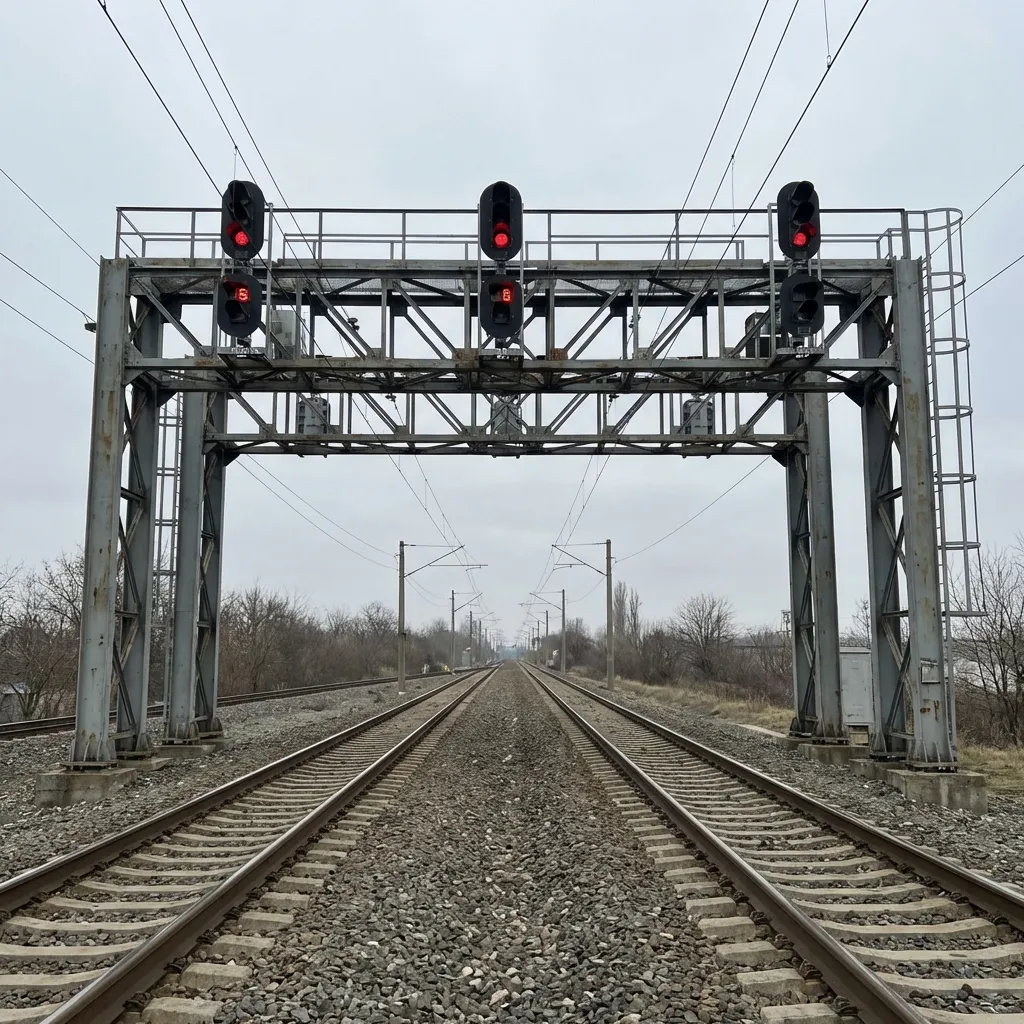
Nodes, Edges,
and Rails.
RINF 3.1 isn't just a new format. It's a fundamental shift from Data Engineering to Knowledge Engineering.
Stop thinking in files. Start thinking in facts.
For years, RINF reporting was a Data Engineering task: moving XML files, validating XSD schemas, and forcing square pegs into round holes. This was the era of "filling forms."
RINF 3.1 demands a Knowledge Engineering mindset. We are no longer just transporting data; we are capturing the meaning of the railway network.
The Data vs. Knowledge Shift
The Old Way (RINF 1.x)
- ❌ Tuples & Keys
- ❌ Rigid Tables
- ❌ "String matching" IDs
The New Way (RINF 3.1)
- ✅ Triples (Subject-Predicate-Object)
- ✅ Flexible Graph
- ✅ Global IRIs
The 3 Pillars of RINF 3.1

1. Triples over Tuples
Data is broken down into atomic facts.
Track_A -> hasSpeed -> 160km/h.
This simple grammatical structure (Subject-Predicate-Object)
allows machines to "read" and reason about the network without
needing to understand a complex file format.
2. Global Identity (IRIs)
In RINF 1.x, an ID was just a string only you
understood. In 3.1, every object gets a Global IRI (e.g., http://data.infrabel.be/id/Track/123). This makes your data visible, linkable, and
unambiguous across the entire European web of data.
3. Micro-Topology
The Application Guide 3.1 introduces "Micro-level connectivity". We no longer just say "Line A connects to Line B". We define precise NetElements and NetRelations, creating a mathematically traversable graph of the railway.
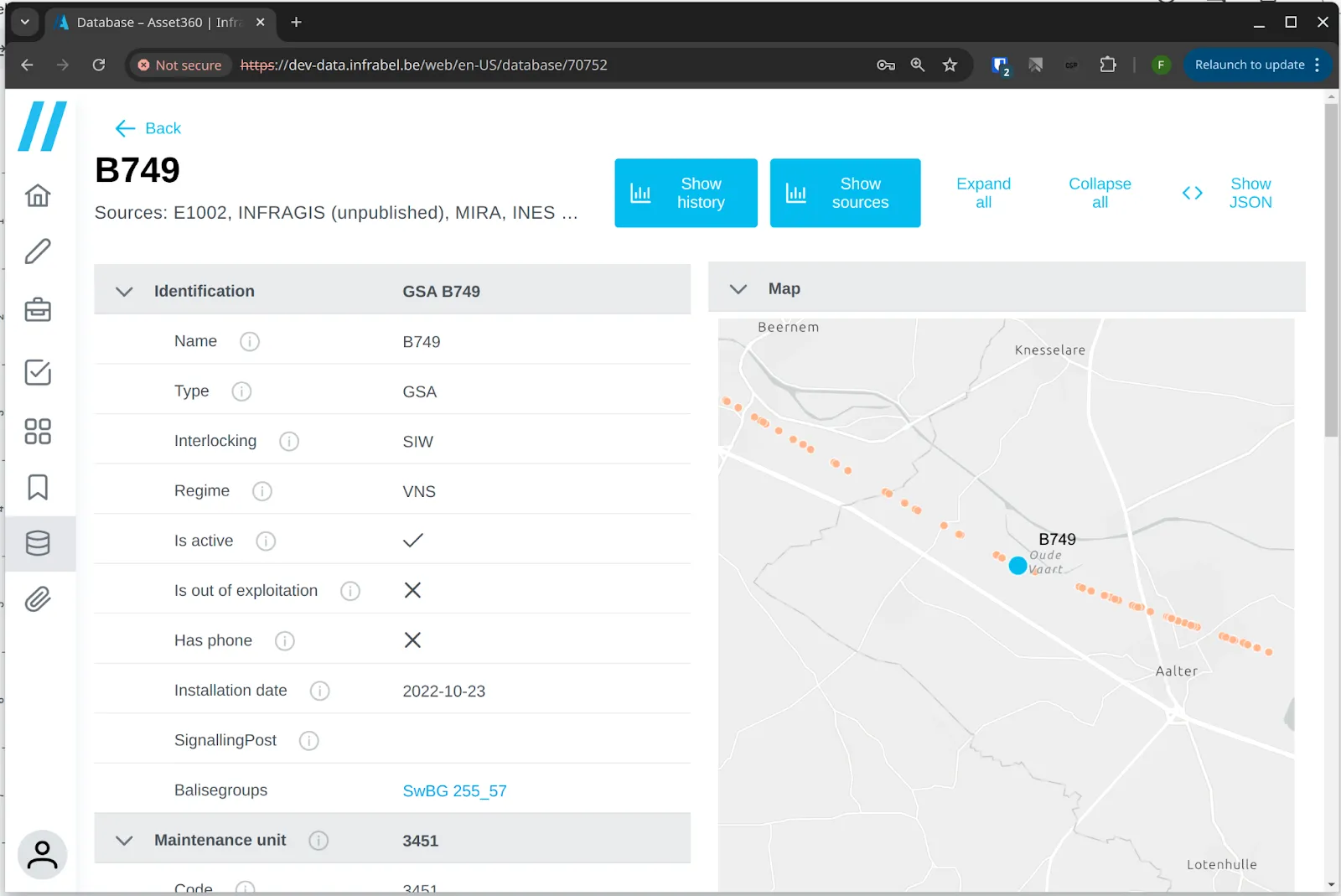
Context Turns Data into Information
"How do we make interoperability happen? Build, maintain, share, and reuse ONTOLOGIES!"
This mantra from the Rail Data Forum drives the new RINF. Instead of writing custom code to check if a track width is valid, we use SHACL (Shapes Constraint Language).
Think of SHACL as "Public Procurement Rules" for your data. It's a public rulebook that automatically rejects invalid data before it enters the system, ensuring that the "Digital Twin" is always physically possible.
Start Your Knowledge Graph Journey
Kapernikov has been helping Infrastructure Managers make this shift since the first draft of the ERA ontology.
Upgrade to RINF 3.1